Granite City, Salt Air, and a Mason Who Knows Both
A granite step out front has gone slick and pitted at the edges. A foundation wall near the back of the basement holds a damp, salty smell that never fully clears, even in August. In Quincy, those two problems often show up close together, sometimes on the same house. That’s because Quincy once quarried the granite that built landmarks from the Bunker Hill Monument to custom houses in New Orleans and San Francisco. A lot of that same stone never left town. It still sits under local porches, steps, and foundation walls.
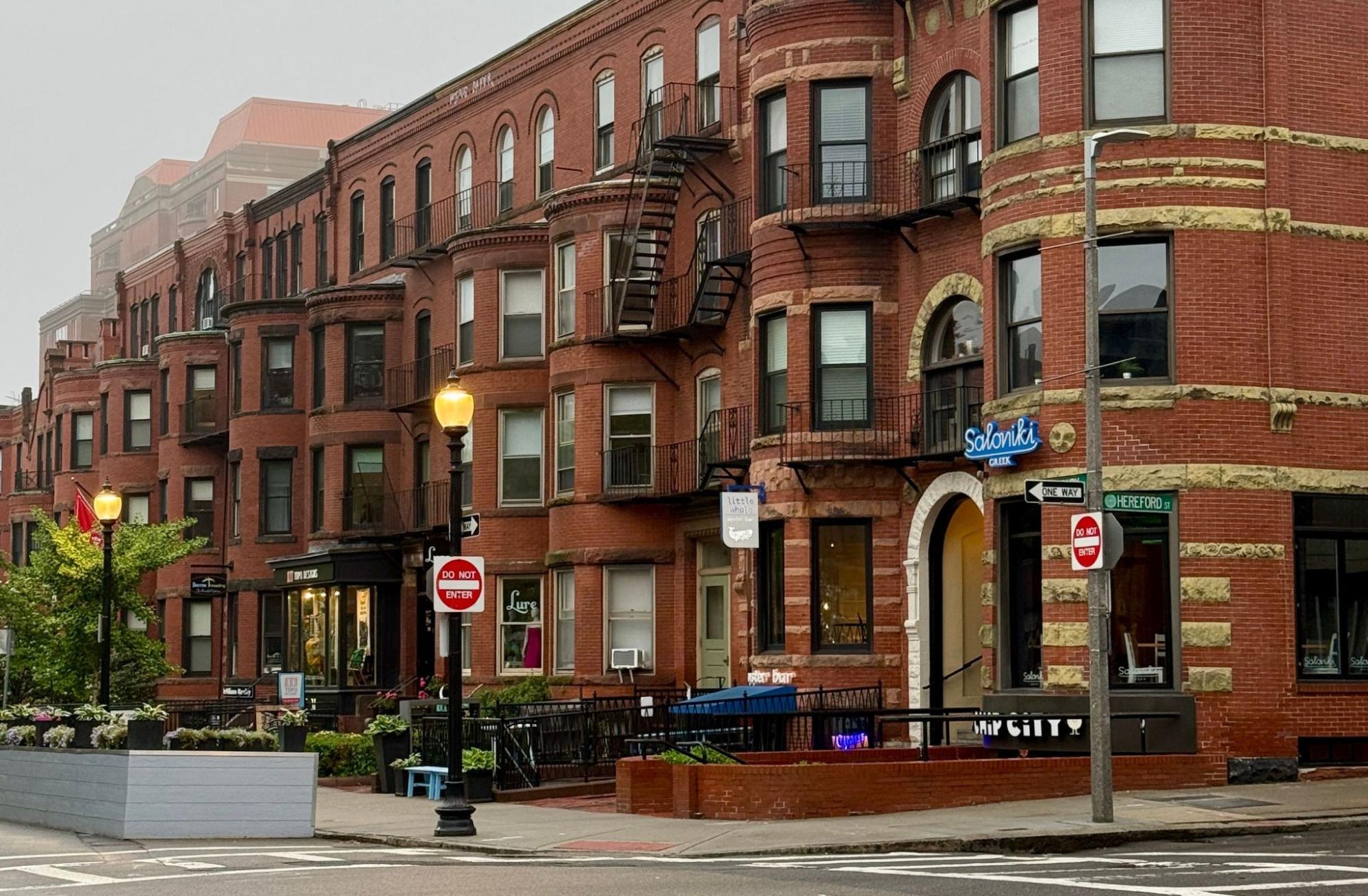
A masonry contractor in Quincy needs to handle the stone and the water behind it. Like the rest of Greater Boston, most older Quincy homes have brick and mortar. Many also have quarried granite in the foundation, the underpinning, or the front steps. That stone came out of the same quarries that made Quincy the Granite City. Repairing it takes a different eye than patching brick. If you treat one like the other, the repair usually fails.
Three Hills Masonry & Foundations handles all of it. A loose granite step and a foundation wall that won’t dry out get the same first step: find out what’s actually happening before naming a fix.
Get a No-Commitment Estimate
A cracked step or a damp wall doesn’t always mean an urgent fix. A free on-site estimate gives you a straight answer either way, and no obligation to book anything once you have it.
What Masonry Actually Covers on an Older Quincy Home
Masonry covers anything built from brick, block, stone, or concrete, materials that have to carry weight and shed water for years at a time. That includes the foundation, the chimney, the front steps, and any stone or paver walkway leading to the street.
On a Quincy home, that work often means mixing materials in the same repair. A foundation might be part poured concrete and part fieldstone. The front steps, often solid granite blocks quarried decades ago, need little attention until a joint opens or a corner starts spalling, where the surface flakes and crumbles from repeated freeze and thaw. None of it behaves like brick, and treating it that way is usually how a repair goes wrong.
The other half of the job is water. Quincy sits on 27 miles of coastline, with older housing packed close together across most of it, so foundation and basement problems usually trace back to water rather than age alone. A mason who only looks at the crack, not at where the water is getting in, ends up patching the same spot again in a year or two.
The Work We Do Across Quincy
Three Hills handles masonry and foundation work across Quincy, from historic granite steps to basement waterproofing. Here’s what that covers:
Masonry Repair and Repointing: Repairing or replacing (repointing, also called tuckpointing) crumbling mortar joints in brick, block, or stone.
Foundation Repair: Fixing settling, shifting, or cracked foundations before a small problem turns into a bigger one.
Foundation Waterproofing: Finding where water is getting into the basement and sealing it at the source, not just at the surface.
Chimney Repair and Restoration: Rebuilding chimney crowns, resetting loose brick, and fixing flashing where the chimney meets the roofline.
Steps and Stairs: Repairing or resetting granite, fieldstone, or bluestone steps that have shifted, cracked, or worn smooth.
Paver Walkways: Building or repairing stone or paver walkways that stay level and drain properly instead of pooling water.
All of it comes back to the same materials: brick, stone, block, and concrete. Each one has to hold its shape through another New England winter. A small crack in one often points to the same cause as a bigger crack in another. That’s worth knowing before deciding what to fix.
Still Deciding If It’s Worth a Call?
Most of what we look at turns out to be a repair, not a rebuild. A free on-site look tells you which one you have.
Why Water Gets Named Before the Crack Does
A foundation crack or a wet basement is almost always caused by water. It comes from above, from the ground, or both. Low-lying ground makes that worse here. In neighborhoods like Quincy Point, Germantown, Houghs Neck, and Marina Bay, much of the ground is fill, and groundwater sits closer to the surface than most homeowners realize.
That changes what foundation repair should mean. Patching a crack from the inside, without fixing where water gets in, means it will open again. Sometimes that happens within a season. Waterproofing done right starts outside the wall, with grading, drainage, and sealing the surface where water pushes through. When that seal is a cement-based coating on the outer foundation wall, it’s called parging.
None of this requires guessing. We walk the property first and trace the water back to its source, then explain what’s actually causing it before any masonry work gets recommended.
What Sets Three Hills Apart on Quincy’s Older Housing Stock
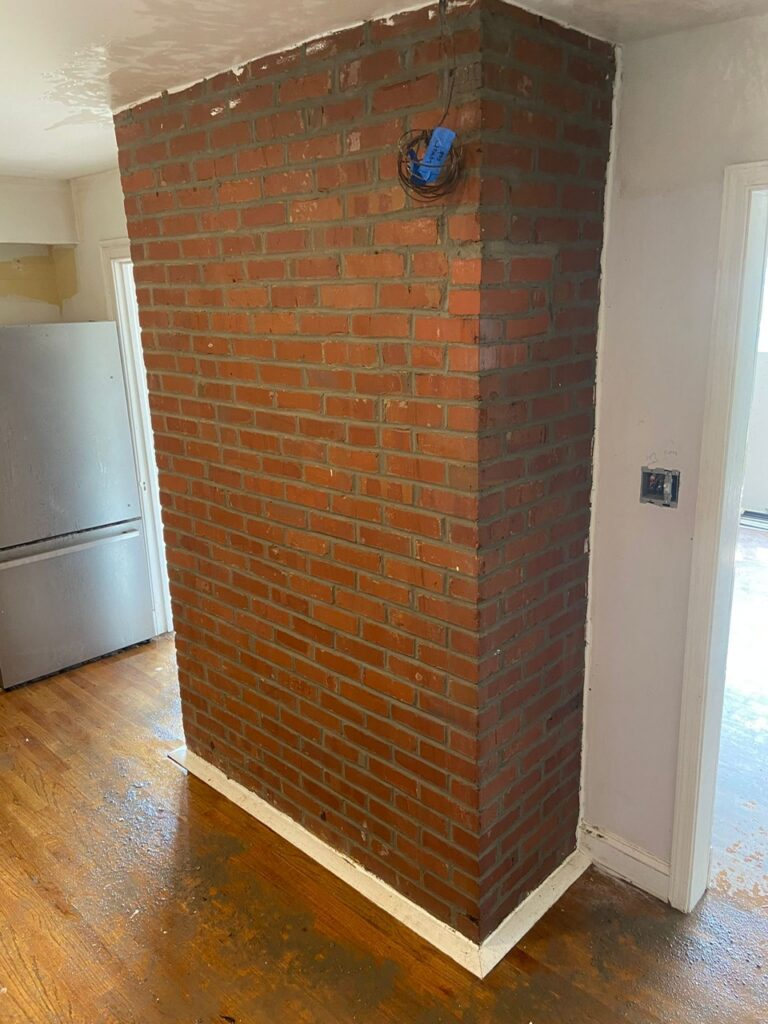
On a house with real granite in it, matching stone matters as much as matching brick. Three Hills works with granite, fieldstone, and bluestone as often as brick, and a repair gets built to blend into the original material instead of standing out from it.
Setting stone for a season is landscaping. Carrying load and shedding water through decades of Quincy winters is masonry, and it’s the only work we do. Every estimate starts by tracing where water is actually coming from, not just looking at the crack it left behind. It takes longer up front, and it means the fix targets the cause instead of the symptom.
Every masonry job in Quincy is backed by a 25-year guarantee. We’re a registered Home Improvement Contractor, HIC #219738, carrying workers’ comp and liability insurance, and the price you approve before we start is the price you pay at the end.
What to Ask Any Mason Before You Hire One
Most homeowners call two or three masons and get three different answers. That’s normal, and it doesn’t mean anyone is lying. Masonry problems have causes that aren’t visible from the sidewalk, so what you’re really comparing is how carefully each person looked. A few questions sort that out quickly.
Are You Registered and Insured?
In Massachusetts, home improvement work on a one-to-four unit home requires Home Improvement Contractor registration. Ask for the number and look it up yourself. The state keeps a public search.
Who Is Actually Doing the Work?
Some companies send one person to quote and a different crew to build. Ask whether the person standing in your driveway will be on site the day work starts.
What’s Causing It, Not Just What’s Cracked?
An estimate that names a repair without naming a cause is a guess. On a Quincy home, the answer usually comes back to water, a base that’s shifted, or both.
Will You Match the Existing Material?
Granite, fieldstone, and century-old brick each need matched replacements and matched mortar. A repair set in the wrong material wears at a different rate and eventually shows.
What’s Backed, and for How Long?
Ask what the guarantee actually covers, and get it in writing before work starts.
Ask those five of everyone you call, us included. A vague answer tells you as much as a good one.
Talk to the Person Doing the Work
From Wollaston to Houghs Neck
Three Hills works across Quincy’s neighborhoods, from Wollaston and North Quincy to Quincy Center, Squantum, Marina Bay, Merrymount, Houghs Neck, Adams Shore, Quincy Point, Germantown, Montclair, South Quincy, and West Quincy. That runs from the granite-ledge streets of West Quincy, up against the Blue Hills Reservation and the old Quincy Quarries, out to the waterfront blocks along Wollaston Beach.
The same crew covers the towns around Quincy, including Braintree, Randolph, Weymouth, and Hingham, along with Boston just across the Neponset River. If your street isn’t on that list, ask. Odds are good it’s already covered.
Quincy Masonry Contractor FAQs
Why isn't there a fixed price for masonry work?
Pricing comes from a free, in-person look. Every property is different, especially with granite or older foundations involved. Job size, material, and how easy the area is to reach all affect cost.
Does working with granite take longer than a typical brick repair?
Sometimes. Granite is heavier and harder to reset than brick, so a granite step or foundation section can take a bit more time. Most single-step or wall-section repairs still finish in a day or two.
Should a cracked or uneven granite step be repaired or replaced?
Most granite steps can be reset or repaired rather than replaced. The stone itself is dense and rarely wears out. What usually fails is the base underneath or the mortar joint between blocks. A quick look in person tells us which one it is.
Does new masonry work match the original stone or brick?
Whenever possible, yes. Matched brick and stone come from salvage yards, reclaimed stock, or a quarry cut to the same size and finish, and the mortar gets tinted to match what's already in the wall. On older Quincy granite and fieldstone, color and texture both have to line up. See our full masonry services for how that process works.
Do you work on multi-family or attached homes in neighborhoods like Quincy Center or Wollaston?
Yes. Shared walls, small lots, and older brick or granite construction are common across Quincy Center and Wollaston. A shared wall carries load from two houses at once, so what reads as one crack can have two separate causes behind it. Access matters too, since a tight side yard changes how the work gets staged.
Why isn’t there a fixed price for masonry work?
Pricing comes from a free, in-person look. Every property is different, especially with granite or older foundations involved. Job size, material, and how easy the area is to reach all affect cost.
Does working with granite take longer than a typical brick repair?
Sometimes. Granite is heavier and harder to reset than brick, so a granite step or foundation section can take a bit more time. Most single-step or wall-section repairs still finish in a day or two.
Should a cracked or uneven granite step be repaired or replaced?
Most granite steps can be reset or repaired rather than replaced. The stone itself is dense and rarely wears out. What usually fails is the base underneath or the mortar joint between blocks. A quick look in person tells us which one it is.
Does new masonry work match the original stone or brick?
Whenever possible, yes. Matched brick and stone come from salvage yards, reclaimed stock, or a quarry cut to the same size and finish, and the mortar gets tinted to match what’s already in the wall. On older Quincy granite and fieldstone, color and texture both have to line up. See our full masonry services for how that process works.
Do you work on multi-family or attached homes in neighborhoods like Quincy Center or Wollaston?
Yes. Shared walls, small lots, and older brick or granite construction are common across Quincy Center and Wollaston. A shared wall carries load from two houses at once, so what reads as one crack can have two separate causes behind it. Access matters too, since a tight side yard changes how the work gets staged.
Get a Straight Answer on Your Quincy Home
A granite step that’s started shifting and a basement wall that won’t stay dry both lead to the same next step: a free, no-obligation estimate from the person who’ll actually be doing the work. Get in touch and we’ll set up a time to come look.