
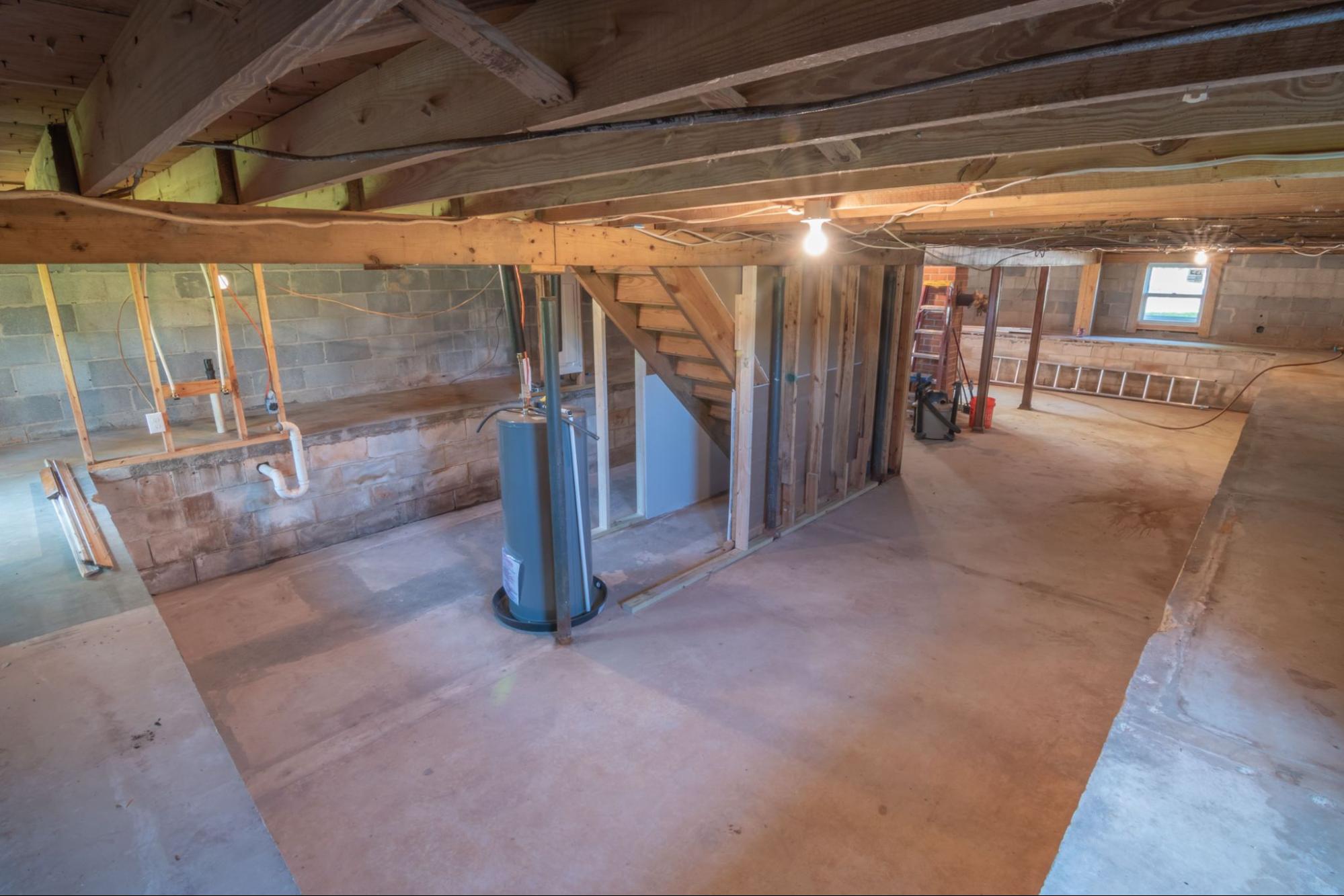
Stop Water From Taking Over Your Basement
Water problems in your basement often come as different signs. A damp corner that never fully dries, or a musty smell at the bottom of the stairs. Water is getting into your basement, and the wet spot you saw isn’t always where the water first got in.
Basement waterproofing finds where that water, dampness, or moisture is coming from and stops it at the source. For Greater Boston homes, that means dealing with groundwater working its way through walls of old stone and brick, condensation that builds up in a closed space that never gets fresh air, or a foundation crack that lets water in for months before anyone notices.
Three Hills Masonry & Foundations works on all kinds of Greater Boston basements, including the brick, stone, block, and concrete found in older homes across the area. We locate the entry point of water, tell you what’s causing it, and give you a straight answer on the right repair methods, all before we touch a single wall.
Not Sure Where the Water Is Coming From?
Water pooling on the basement floor only shows where it ends up. A free basement inspection traces the real source, whether it’s coming through the wall, a crack, or poor drainage outside, before we recommend a repair.
What Basement Waterproofing Actually Involves
Basement waterproofing varies depending on the source of water and what the basement is made of. In Greater Boston, an older fieldstone basement can have loose or sandy mortar joints over time. Brick basements can have openings where mortar washes out. Basements with poured concrete can have small cracks where leaks happen after heavy rain. Water can also collect around the outside of an otherwise sound wall because the surrounding ground isn’t draining properly.
Each basement waterproofing service starts with an inspection. We walk through the basement to find where the water enters and what the basement walls are made of. That diagnosis shapes the right method to use. Some basements need exterior work on the foundation, but most start on the inside. Depending on what the inspection finds, the fix may involve an interior drain system, a sump pump, crack sealing, or dehumidification.
How Basement Waterproofing Helps Protect Your Home
Basement waterproofing gives you more than a dry, cleaner floor. It makes sure moisture doesn’t affect how your home feels, smells, and holds up over the years.
Prevents Further Cracks in the Basement Walls
Damp soil outside pushes basement walls with more force, often called hydrostatic pressure. Stopping the water also prevents that pressure from cracking or bowing the same weak spots. It doesn’t repair the foundation cracks themselves, but it does reduce the moisture conditions that lead to more cracking and deterioration.
Healthier Air Quality
A humid basement is the perfect environment for mold and mildew growth. That buildup also creates a musty smell that works its way up into the rest of the house. Drying out the basement reduces that buildup and promotes cleaner air quality in your home.
Better Heating and Cooling Efficiency
Wet walls release moist air in the basement and in the whole house. This means your furnace, AC, or dehumidifier has to work harder to manage indoor comfort. Basement wall waterproofing helps your home maintain a more consistent temperature.
Gives You More Reliable Basement Space
A basement becomes harder to use when every heavy rain means moving boxes off the floor and watching for puddles. Repeated moisture also limits how much space you can use. A dry basement can actually be used for extra storage, a home office, or a workshop, instead of a room you are always maintaining.
Protects Your Home Investment
Stained, crumbling, or damp basement walls can turn into bigger repair issues later on. A waterproofed basement is one less red flag during a home inspection. It also protects your home’s long-term value when you eventually decide to sell.
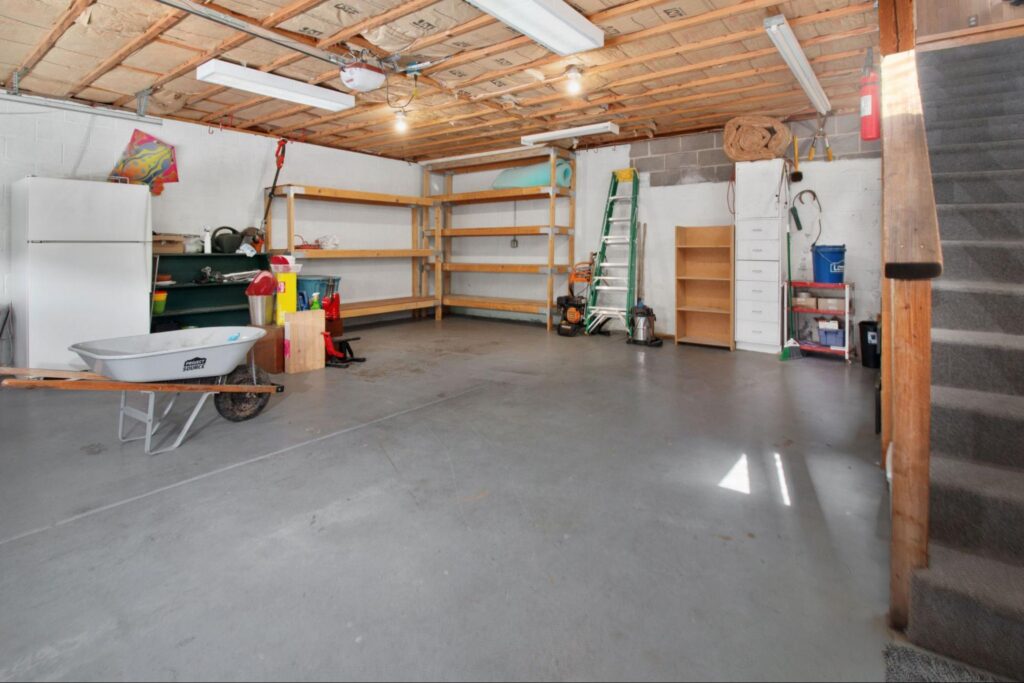
Catch Water Problems Before a Full Basement Rebuild
Fixing early signs of basement water seepage is more manageable and less costly than waiting until the damage calls for a full basement rebuild.
How to Tell If Your Basement Has Water Problems
Most basements show warning signs long before the damage sets in. Some are obvious, like standing water after a storm. Others are quieter: wall stains, musty odors, or pests that all point to a damp basement or moisture moving through the walls.
Visual Signs
- Standing water or puddles: After a storm, water can collect near the base of the walls, which means it’s coming in faster than it drains.
- Damp or wet walls: Stone, brick, or concrete walls that stay moist to the touch, even on a dry week.
- Efflorescence: A white, powdery residue left behind when water seeps through masonry and dries out.
- Discoloration and stains: Visible dark streaks, tide marks, or rust stains in spots where water has moved down a wall.
- Peeling paint or bubbling finish: Paint that peels or bubbles usually means moisture is trapped behind the wall and pushing outward.
Environmental Indicators
- Musty odors: An earthy smell that means moisture or mold growth in a hidden damp spot.
- Mold or mildew growth: Black, green, or white patches on wall frames, drywall, or in stored items.
- Foundation cracks: Small vertical cracks in walls or floors often become entry points for water.
- Rust on metal: Tools, appliances, or stored items that rust faster than they should mean the basement air holds too much moisture.
- Pests: Centipedes and other bugs showing up often point to a damp area where they can thrive.
If you notice any of these signs in your home, it’s worth having a professional take a look before the next heavy rain adds more pressure to your home.
How Different Basement Waterproofing Methods Work
There’s no single fix for a wet basement. The right method depends on where the water is getting in and what the walls are made of. In Greater Boston homes, that usually comes down to one of four approaches, or a combination of them.
| Waterproofing Method | What It Does | Best For |
|---|---|---|
| Interior Drainage Systems | Installs a perforated pipe along the interior perimeter of the floor. This captures water before it pools in the basement. | Recurring water along the base of the walls or floor. This is common in basements with stone, fieldstone, and brick walls. |
| Sump Pumps | Collects the water the drain system gathers and pumps it out and away from the house. | Any interior drainage system that needs an area to direct the water away from the house. This works with any foundation material. |
| Crack and Wall Sealing | Injects epoxy or sealant into stone, brick, or concrete walls. This closes off the spots where water gets through. | Walls with visible cracks or joints as the water entry point, common in poured concrete and block walls. |
| Dehumidification | Pulls excess moisture out of the air, cutting down on musty smells and mold growth. | Basements with a humidity problem more than standing water. This is common in older stone and fieldstone basements. |
How your basement was built also shapes the right waterproofing method. The method that works next door isn’t the same fix for your house. That’s why we do a thorough inspection first and choose the repair afterward. You won’t be paying for work your basement doesn’t actually need.
Why Greater Boston Homeowners Trust Three Hills Masonry & Foundations
Three Hills Masonry & Foundations is a registered and insured Home Improvement Contractor, with license HIC #219738. Our owner, Gerard Whelan, learned the trade through a family construction business and now runs his own crew at Three Hills. The person who inspects your basement is the person doing the work, start to finish.
We provide free on-site inspections and free estimates. You’ll know the main cause of the water problem, the method we’re recommending, and the price before a tool touches your home. Each Greater Boston basement waterproofing job is backed by a 25-year guarantee.
Hear From Homeowners We’ve Worked With
⭐️⭐️⭐️⭐️⭐️
“Three Hill, masonry and foundation provide excellent service for 112 year-old home addressing persistent water and the damp issues in the basement recommend by a Neighbourhood. They offered a fantastic and reasonable price that was significantly better than other quotes. The team was efficient, Completed the job in seven days and their professional stood out. I highly recommend them for anyone face and similar foundation problems.”
Jacob, Verified Customer
⭐️⭐️⭐️⭐️⭐️
“Definitely recommend Gerard and the team from three hills masonry & foundations. After having several estimates on my foundation I was happy to go with three hills masonry great company and service they made my basement dry again great job”
Ann, Verified Customer
Got a Wet Basement? Let’s Take a Look.
Basement Waterproofing Across Greater Boston
Wet basements turn up all over Greater Boston, and Three Hills works on them across the city and the towns around it: Boston, Charlestown, Cambridge, Chelsea, Somerville, Allston, Quincy, Dedham, Norwood, Westwood, Canton, Randolph, Braintree, Weymouth, and Hingham. Older housing stock, hard freeze-thaw winters, and century-old fieldstone foundations are the common thread. Don’t see your town? Ask anyway, odds are good we work where you are.
Basement Waterproofing FAQs
What’s the difference between basement waterproofing and foundation waterproofing?
Basement waterproofing addresses water, dampness, and humidity showing up inside the basement itself, with methods including interior drainage, sump pumps, or sealing a wall crack. Foundation waterproofing addresses the outside wall, sealing and protecting the masonry so water can’t get in. Whether you need basement or foundation waterproofing depends on where the water is actually coming from.
How much does basement waterproofing cost?
The cost of basement waterproofing depends on where the water is coming from, what your walls are made of, and how much of the basement has been affected. A free estimate gives you a detailed outline of what the project involves and how much it costs.
Can a wet basement be fixed without digging up my yard?
Often, yes. Interior methods like drainage systems and sump pumps handle many basement water problems without any excavation. Three Hills only recommends exterior work when that’s where the problem actually is.
What’s the best basement waterproofing method in Greater Boston?
The right basement waterproofing method depends on the main spot where the water’s getting in and what your basement is made of. A stone or fieldstone basement handles water differently than poured concrete. A home with a humidity problem also needs a different fix than a home with pooling water at the base of the wall. A thorough inspection tells us which method fits best.
What’s the difference between basement waterproofing and foundation waterproofing?
Basement waterproofing addresses water, dampness, and humidity showing up inside the basement itself, with methods including interior drainage, sump pumps, or sealing a wall crack. Foundation waterproofing addresses the outside wall, sealing and protecting the masonry so water can’t get in. Whether you need basement or foundation waterproofing depends on where the water is actually coming from.
How much does basement waterproofing cost?
The cost of basement waterproofing depends on where the water is coming from, what your walls are made of, and how much of the basement has been affected. A free estimate gives you a detailed outline of what the project involves and how much it costs.
Can a wet basement be fixed without digging up my yard?
Often, yes. Interior methods like drainage systems and sump pumps handle many basement water problems without any excavation. Three Hills only recommends exterior work when that’s where the problem actually is.
What’s the best basement waterproofing method in Greater Boston?
The right basement waterproofing method depends on the main spot where the water’s getting in and what your basement is made of. A stone or fieldstone basement handles water differently than poured concrete. A home with a humidity problem also needs a different fix than a home with pooling water at the base of the wall. A thorough inspection tells us which method fits best.
Start With a Closer Look at Your Wet Basement
You don’t have to mop your basement floors every time it rains. Three Hills Masonry & Foundations will look at your basement, trace the water back to its source, and explain what your basement actually needs.
Start with a free on-site inspection, get a written estimate, then decide from there. There’s no pressure to book a service right away.