
Can You Do Masonry Work in Cold Weather? What Temperature Does to Mortar
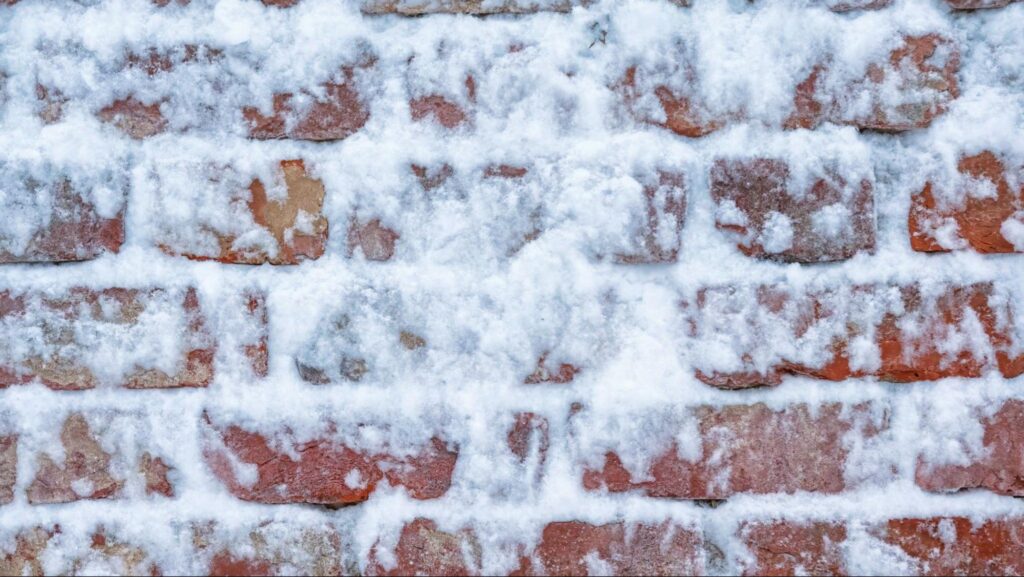
TL;DR Fresh mortar needs temperatures above roughly 40°F while it sets, because water left in the joint can freeze before the mortar hardens and break its bond with the brick. Below that line, outdoor masonry takes heated enclosures or insulated covers, and the soft lime mortar on older homes is the least forgiving. Across most […]
How Often Should a Chimney Be Inspected?
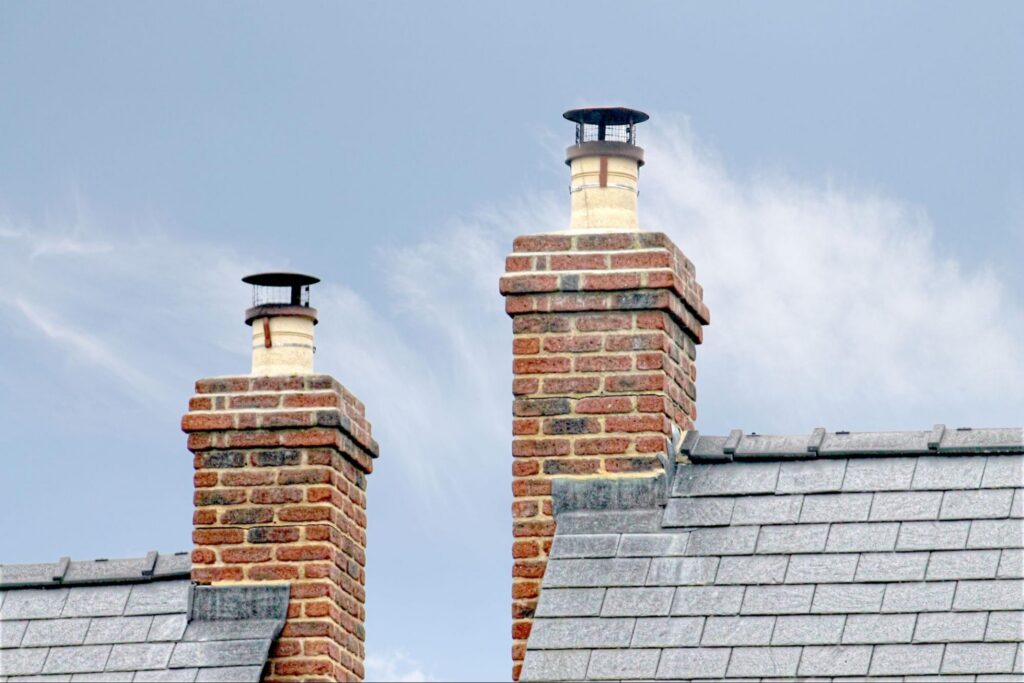
TL;DR Most chimneys need one inspection a year. That’s the national fire safety standard, NFPA 211, and it holds whether the fireplace burns every weekend or hasn’t been lit in a decade. If you’ve never had your chimney inspected, you’re not behind, you’re just due. Fall is a practical time to book it, so anything […]
Why Is My Basement Damp in Summer? How to Tell If It’s Condensation or a Leak
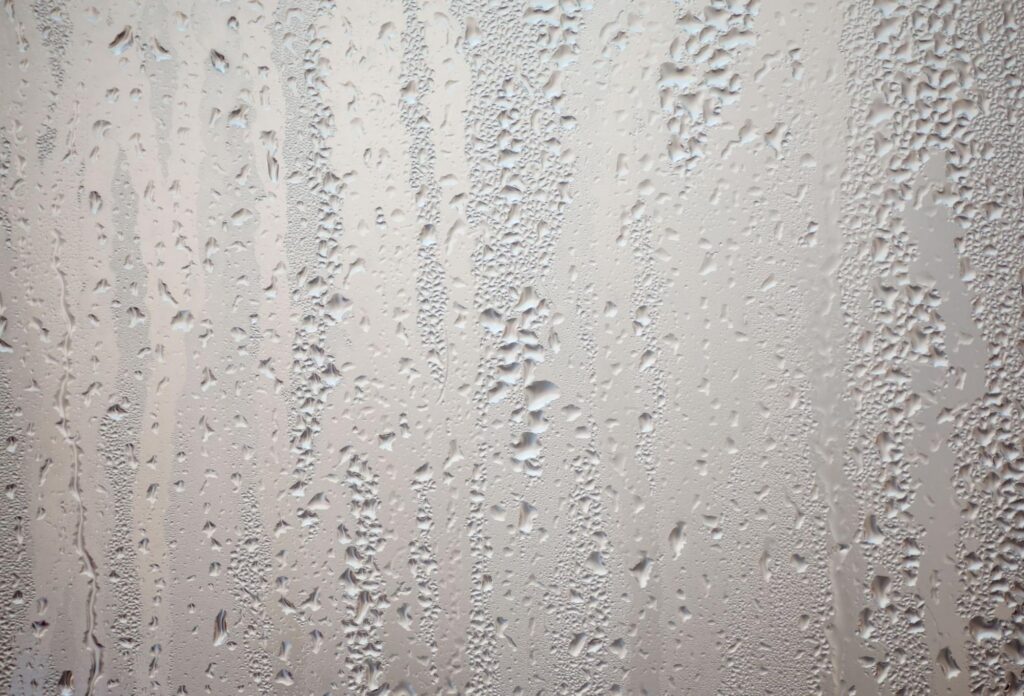
TL;DR A damp, musty basement through the summer is usually condensation, not a leak: warm, humid air hitting cool foundation walls, easing off as fall air dries out. A real leak behaves differently, tracking from one spot, worsening after rain, and leaving staining or efflorescence, the white chalky residue water leaves in masonry. That difference […]
Repointing Old Brick: Why Your Brick Is Crumbling and the Mortar Looks Brand New

TL;DR Brick faces flaking off in thin sheets. A gritty orange pile collecting at the base of the wall. Mortar joints that somehow look newer and sharper than the brick around them. That last one isn’t a coincidence. On a lot of older Greater Boston homes, the brick started coming apart after the repointing, not […]